Understanding Chronic Pain: Why the Current Medical Model Falls Short
If there is one message every person living with chronic pain needs to hear, it is this: you must understand why you are in pain. Until the root cause is identified and addressed, treatment is often reactive, temporary, and incomplete.
Chronic pain is not only widespread—it is one of the most costly and disabling health challenges in modern society.
According to the National Institutes of Health, low back pain is the second leading cause of disability among U.S. adults and a major contributor to missed workdays. Each year, an estimated 149 million workdays are lost due to low back pain alone.
Health economists from Johns Hopkins University, publishing in The Journal of Pain, estimate the annual cost of chronic pain at $635 billion—exceeding the combined yearly costs of cancer, heart disease, and diabetes.
Beyond financial impact, pain profoundly affects quality of life. Research cited by Vox, based on data from the National Bureau of Economic Research, found that people living with chronic pain would need to earn $20,000–$50,000 more per year just to feel as happy as someone without pain.
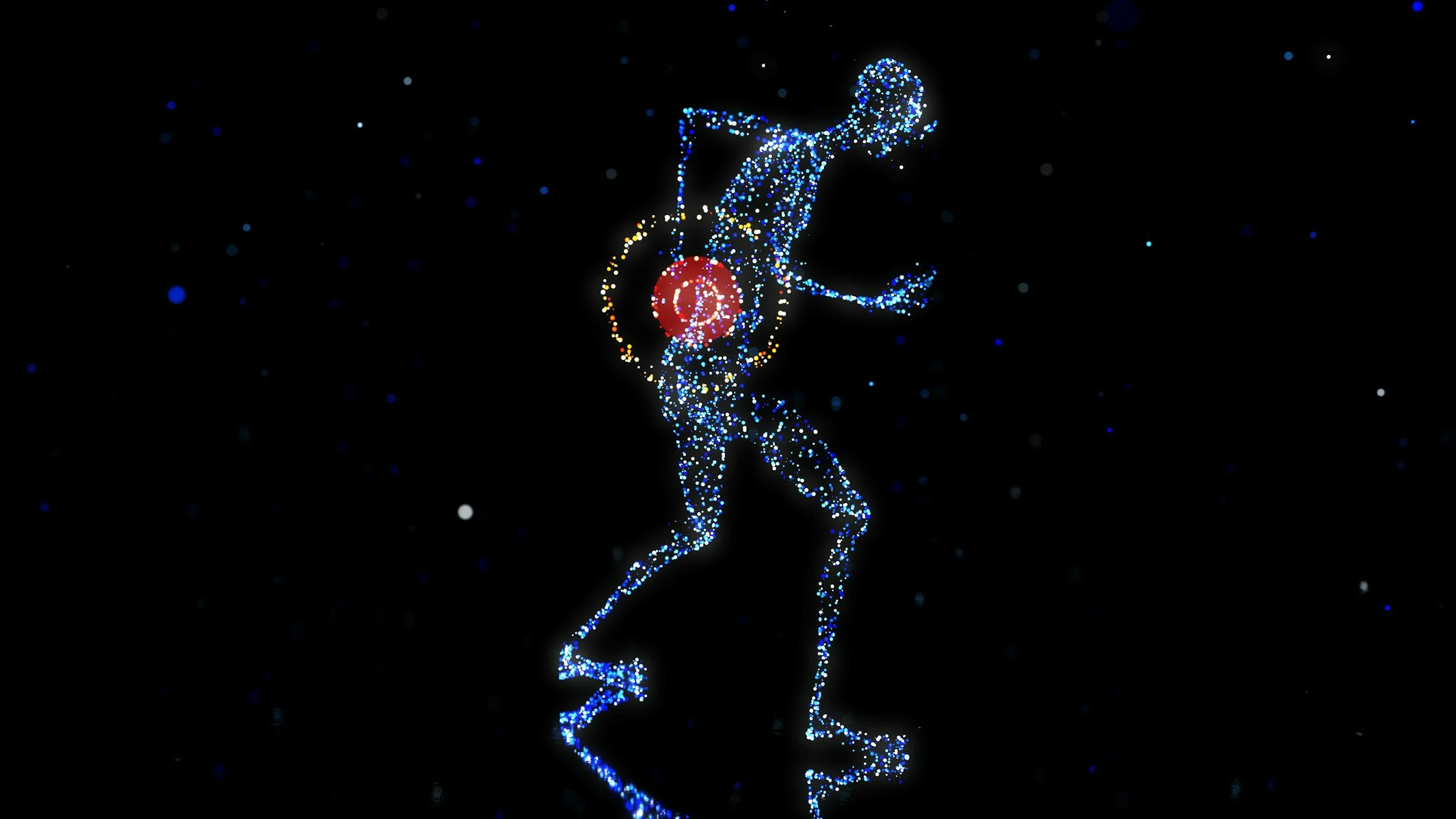
Why Chronic Pain Keeps Increasing—Despite Medical Advances
After more than 25 years working in the field, one troubling reality remains: chronic pain rates continue to rise, even as technology, surgical techniques, and pharmaceuticals advance.
How is this possible?
The answer is surprisingly simple: our healthcare system prioritizes reaction over prevention.
Most chronic pain treatment follows a predictable sequence:
Medication
Physical therapy
Manual or hands-on treatment
Surgery, if all else fails
While these interventions may temporarily reduce symptoms, they share a critical flaw: they rely on external solutions to make pain “go away” without addressing why it exists in the first place.
Very few programs provide:
A comprehensive, individualized home plan
Ongoing follow-up and reassessment
Adjustments designed to maintain long-term improvement
A strategy to prevent pain from returning
Instead, many patients experience short-term relief followed by recurrence—often worse than before.
Prevention vs. Reaction: A Cultural Perspective on Pain
During a health fair in San Diego, a conversation with a Japanese corporate CEO offered a powerful insight. In many Eastern cultures, prevention is the foundation of healthcare.
In Japan, it is common for companies to begin the workday with stretching or movement routines. These practices:
Improve physical health
Boost morale
Increase productivity
Reduce long-term injury risk
When serious medical issues arise, patients often come to the United States—because we excel at reactive care.
The question becomes: Which system saves more money and preserves better quality of life over time?
The answer is clear.
Pain Is Not the Enemy—It’s the Alarm System
Pain is often viewed as something to silence. But in reality, pain is information.
One of the most effective explanations compares pain to a smoke detector. When an alarm sounds, the goal is not to remove the detector—it is to find the fire.
Yet many people treat chronic pain by “removing the alarm” through medication or suppression, without ever addressing the underlying issue. The result? The body continues to compensate silently—often for years—until breakdown becomes unavoidable.
By the time chronic pain appears, the body has usually been adapting to misalignment, imbalance, or dysfunction for a very long time.
Why Alignment Matters
To understand chronic pain fully, we must first understand what proper alignment looks like—and why the body becomes misaligned over time.
Compensation patterns develop when the body attempts to function around imbalance. Without intervention, these patterns can lead to:
Repetitive stress injuries
Joint degeneration
Chronic inflammation
Reduced mobility
Persistent pain
Addressing alignment early allows the body to move, load, and recover as it was designed to—reducing the need for reactive care later.
Knowledge Is the First Step Toward Relief
Most people are not ignoring prevention—they simply don’t know what they don’t know. The mindset of “if it isn’t broken, don’t fix it” often delays action until pain becomes unavoidable.
Understanding why pain exists is the first step toward lasting relief.
When prevention becomes the priority, pain no longer has to be permanent.
To learn more or schedule an Assessment, give us a call today at (916) 467-7764